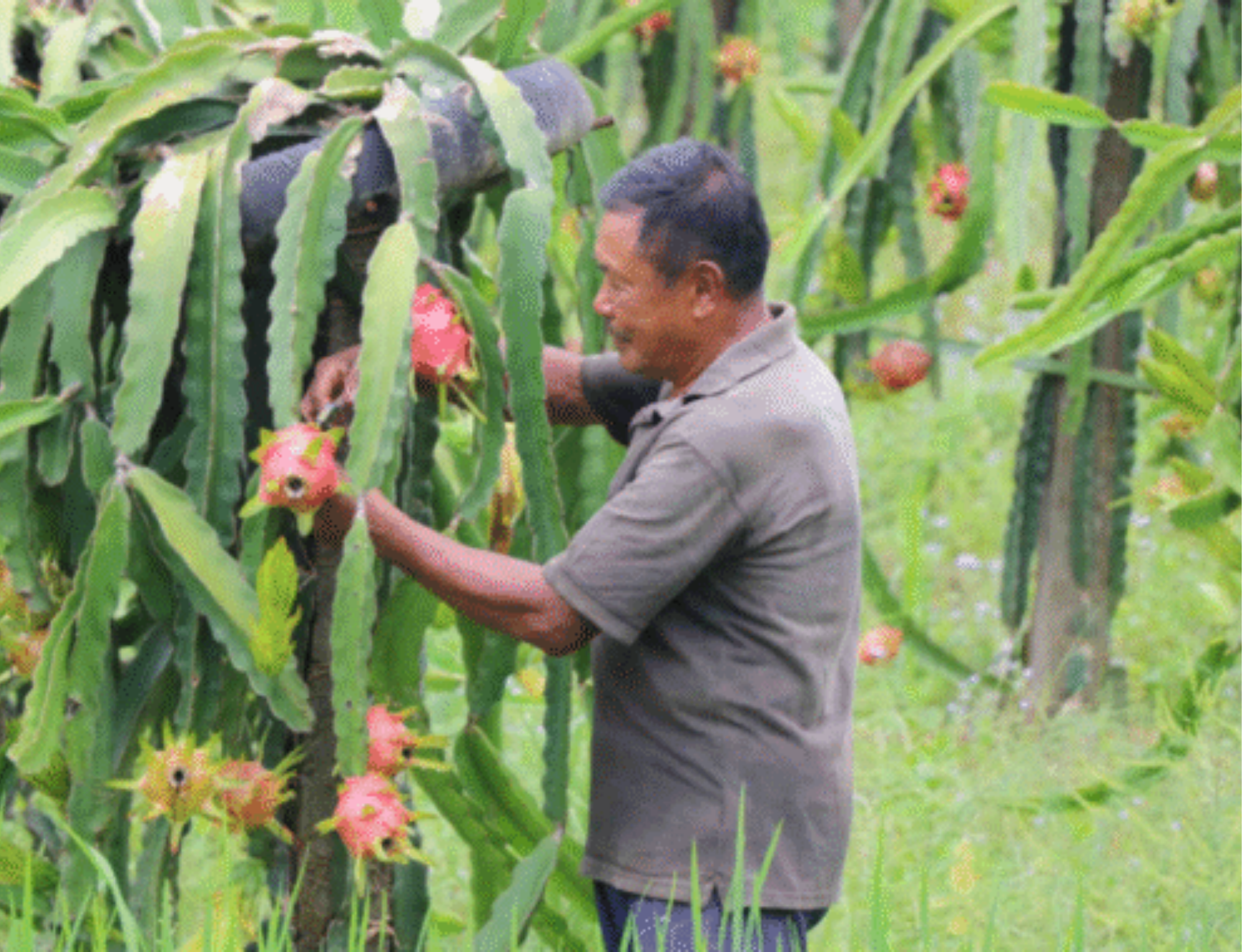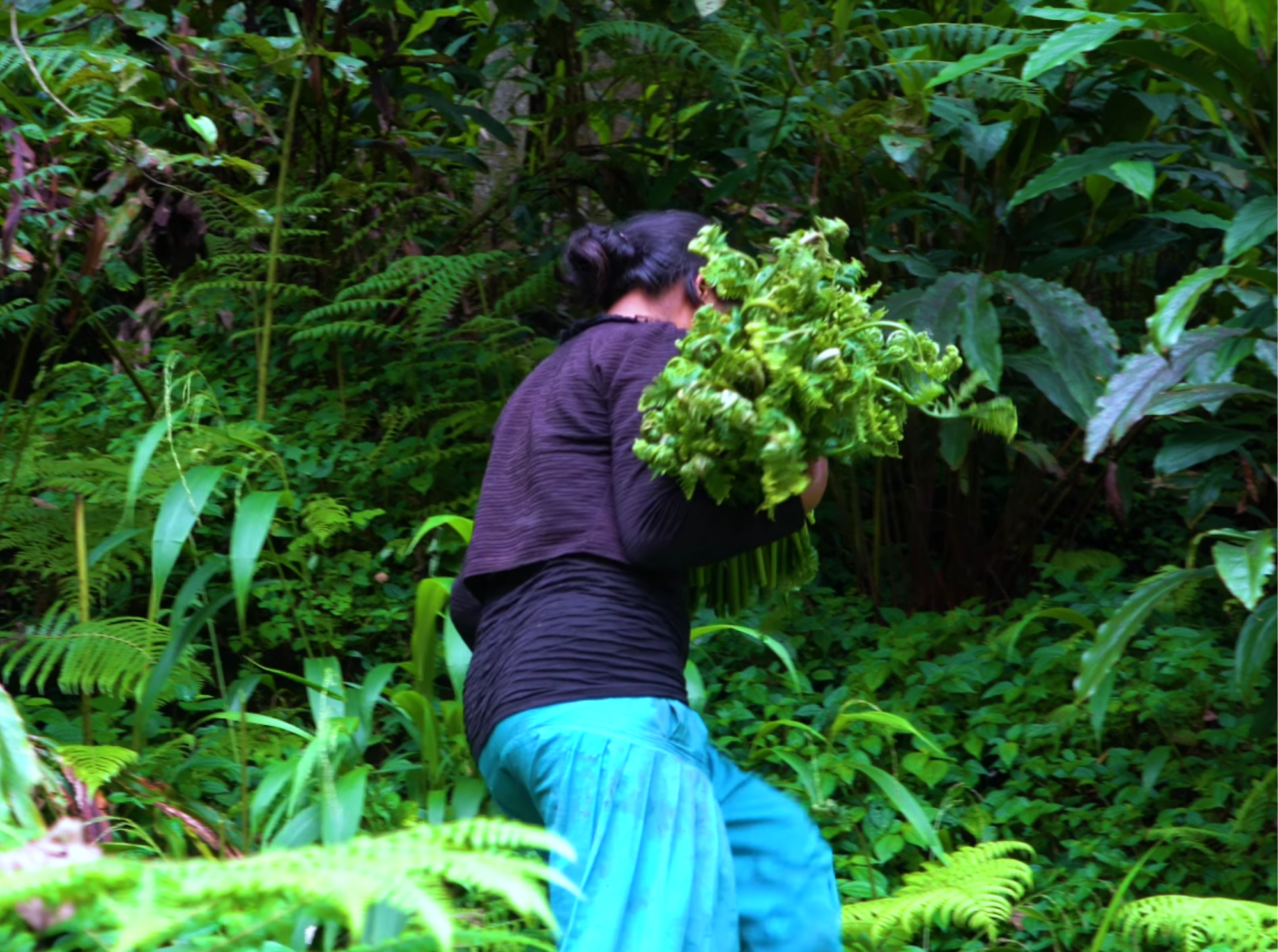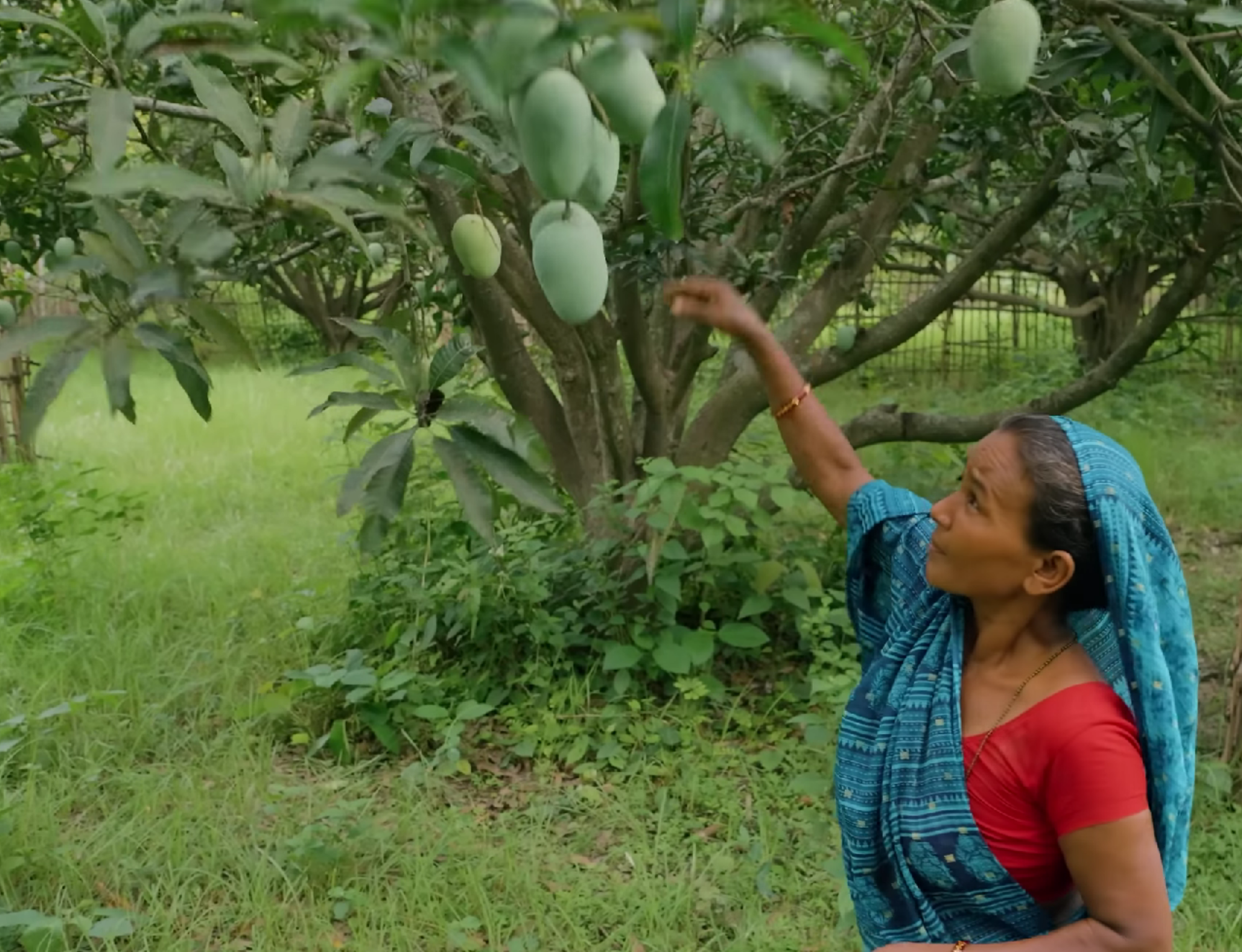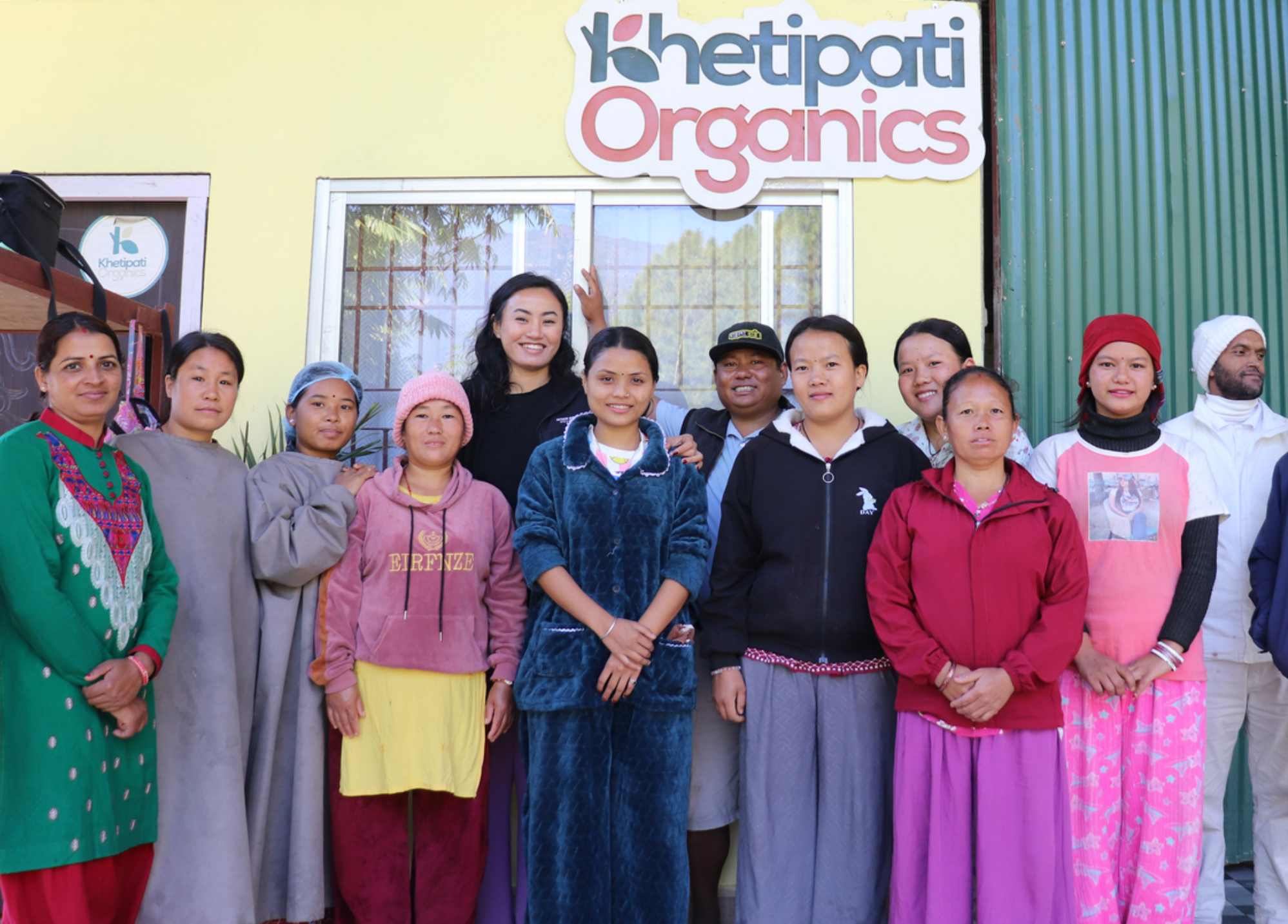
A rural food processing facility doesn’t resemble the large industrial factories often shown online. Our factory in Dhankuta operates in a very different context, one shaped by geography, community, and resilience.
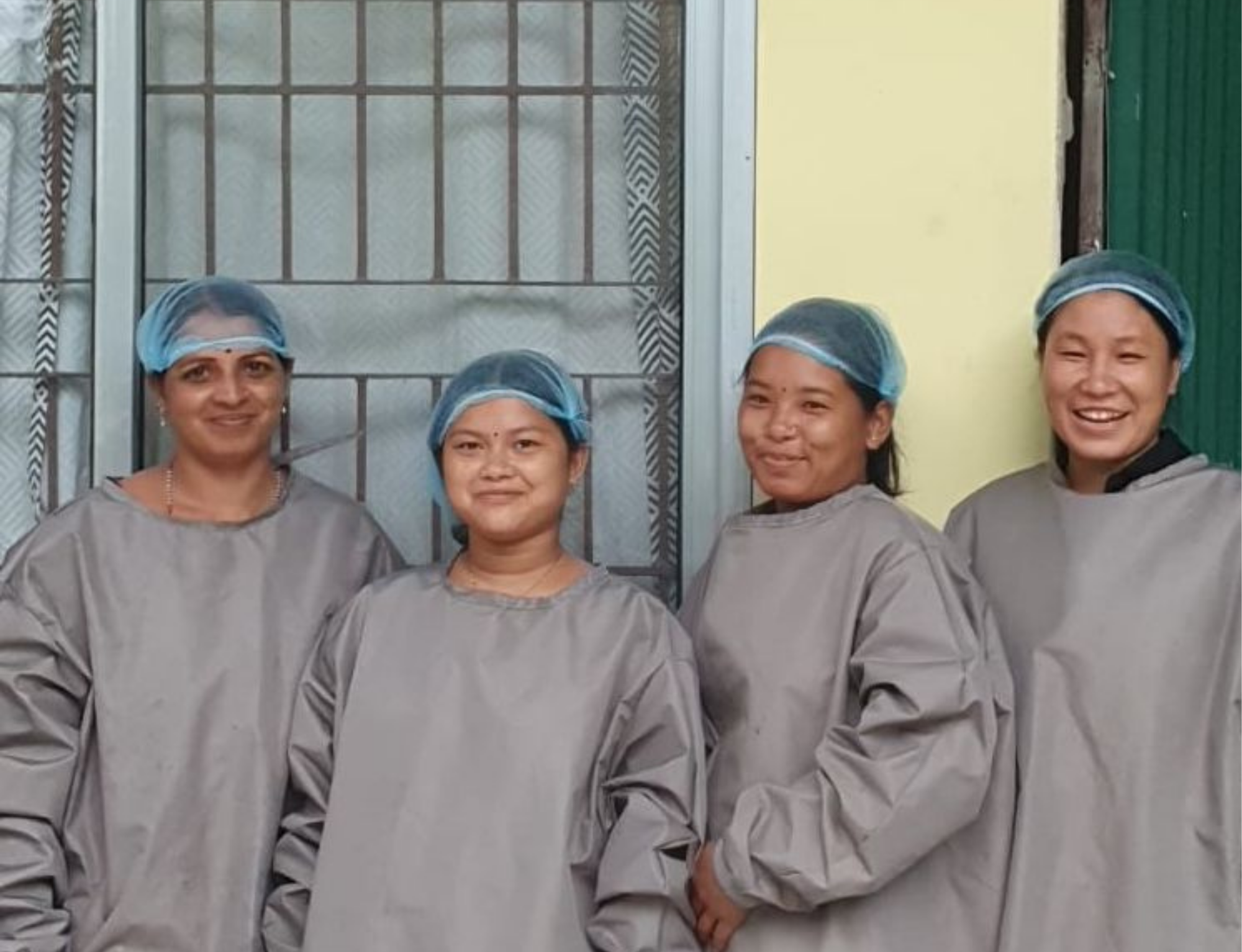
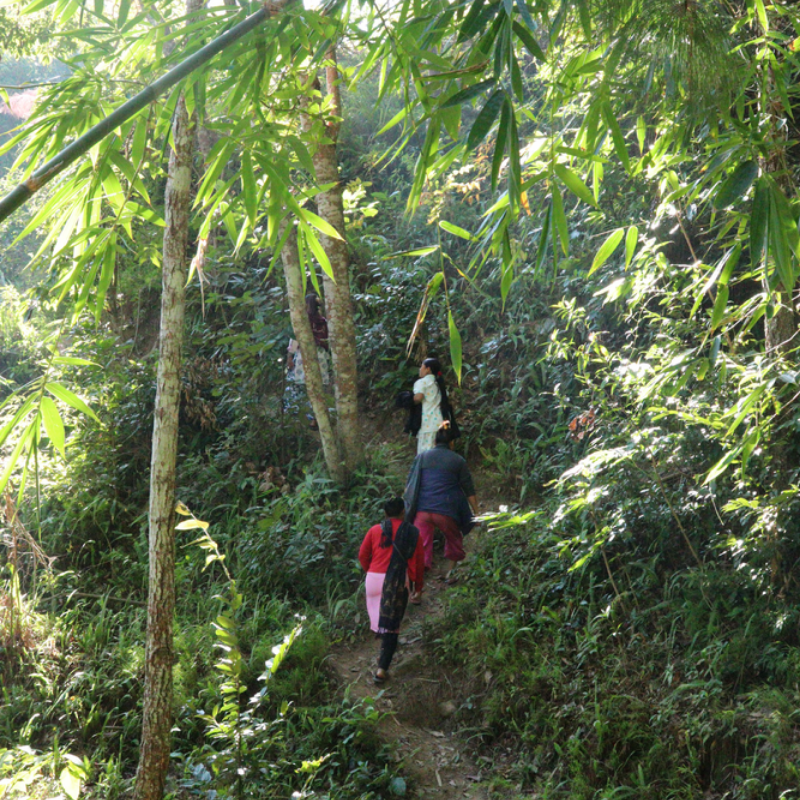
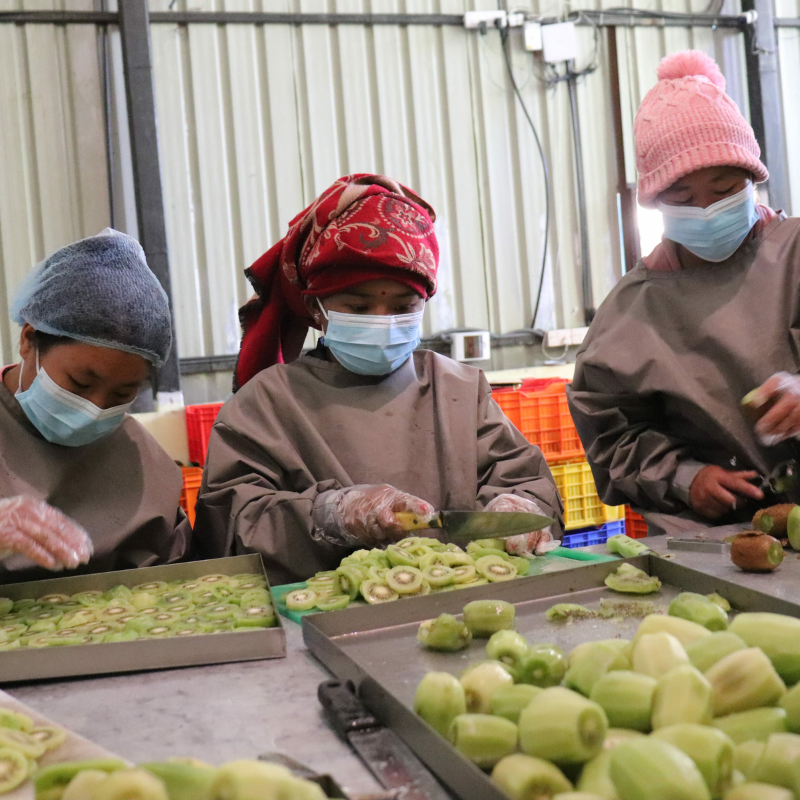
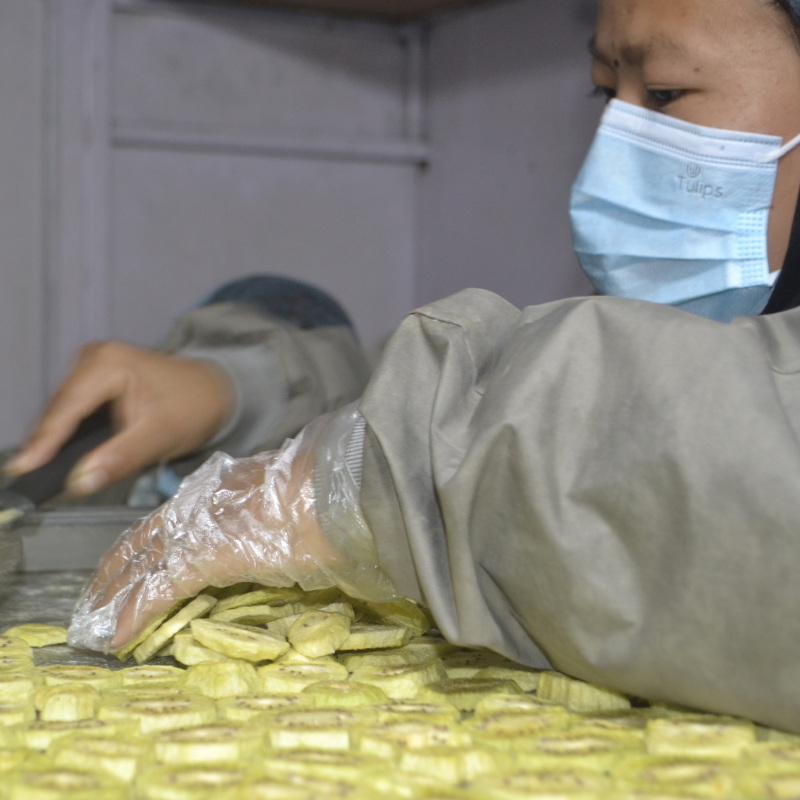
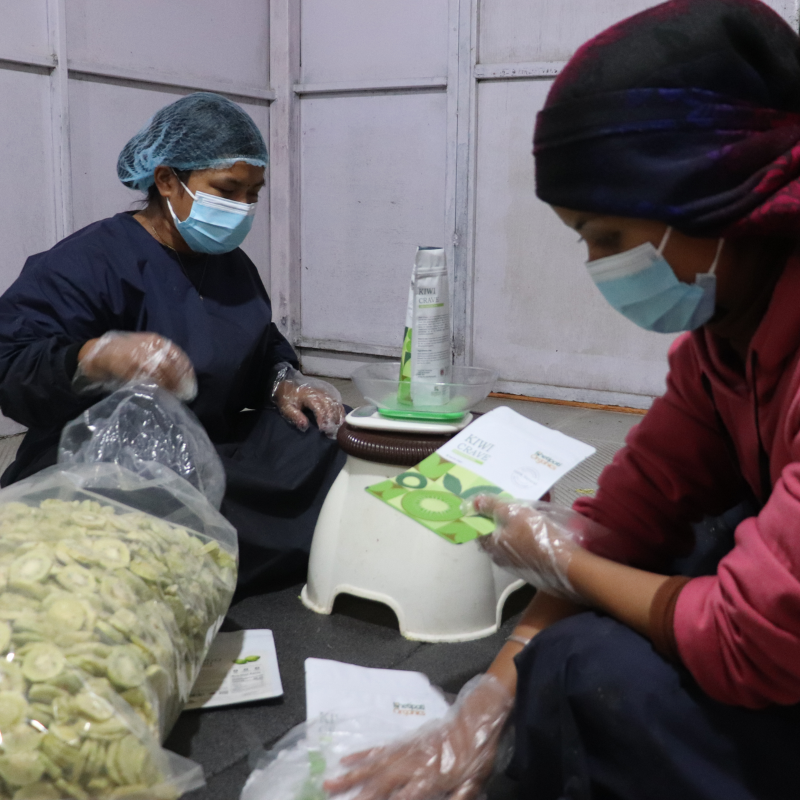
Every morning, team members arrive on foot from scattered settlements across the hills. For most, the walk takes 40 minutes to an hour. This is not unusual here; the terrain defines daily routines and access. Work begins with cleaning and sorting fresh produce. Each fruit is inspected by hand to ensure uniform ripeness. Gloves are worn, workstations are sterilized, and trays are prepared for processing. Peeling, washing, slicing, and arranging fruit for drying follow in sequence. Machines hum steadily freeze dryers, heaters, and packing sealers supporting processes that balance tradition and technology.
The environment is busy and warm. Conversation mixes with the sound of equipment, and teamwork guides every step. It is common to see children quietly accompanying their mothers during work hours, reflecting the social fabric of rural life. Throughout the day, hundreds of kilograms of fruit move through the hands of our staff. Skilled women lead most processing activities, applying consistency and accuracy developed through experience. Each step helps prevent post-harvest loss, adds value locally, and creates a reliable income stream for farming families.
Our factory is not glamorous. It is practical, efficient, and built to function in a setting where infrastructure is limited, and solutions must reflect local realities. But every tray of fruit sliced, dried, and packed represents livelihood, dignity, and opportunity in this community. This is the daily reality of food processing in the Himalayas not polished, but purposeful.
At Khetipati Organics, we believe sharing these real stories matters. Transparency builds trust, and understanding strengthens the value chain.